
Planning a Fall Table Linen Programme: A Buyer’s Timeline
Fall and Thanksgiving linens sell in a six-week window. Here is the development, sampling and shipping calendar that gets them on shelf in time.
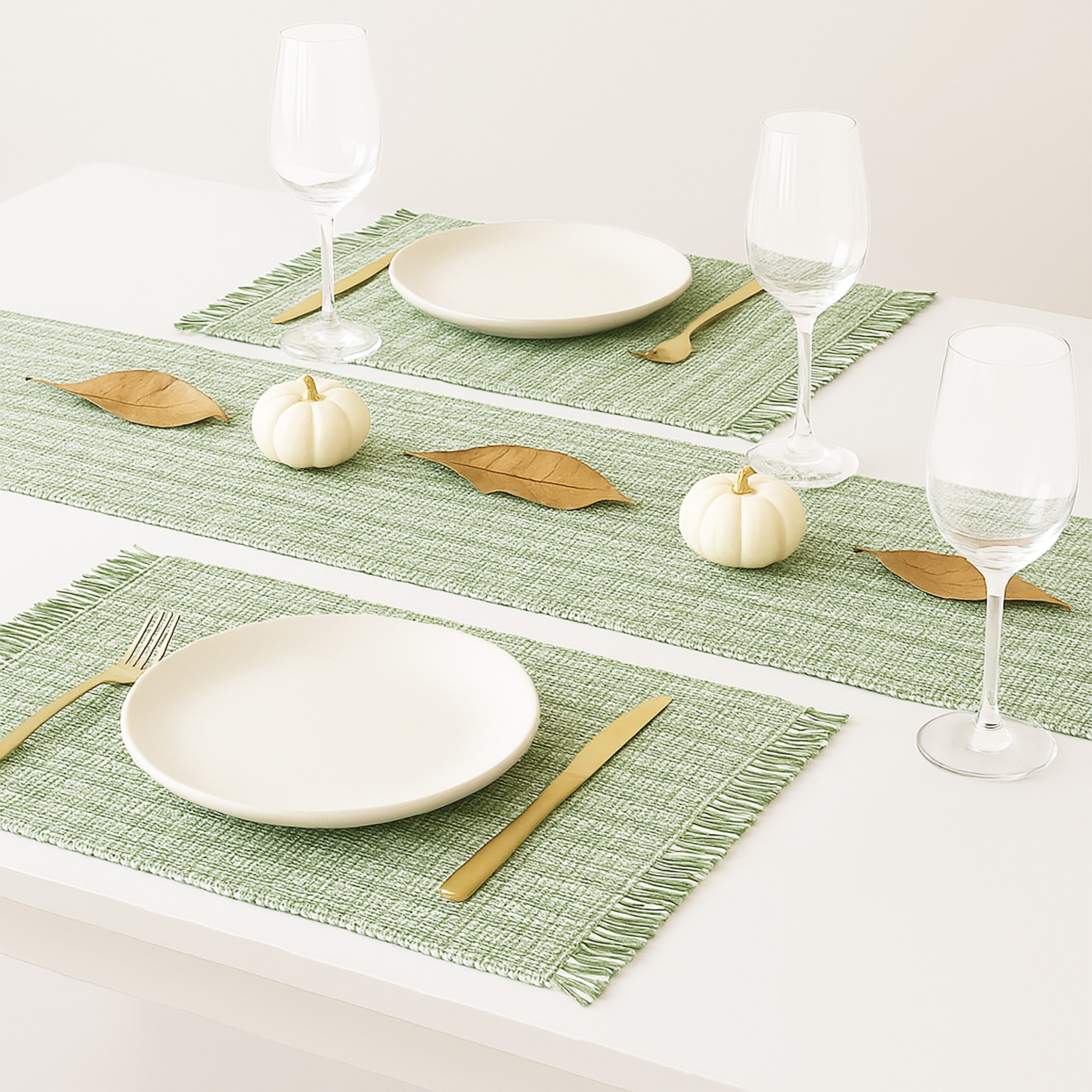
Why fall needs the longest runway
Fall is the most print-heavy season in home textiles. Maple-leaf napkins, pumpkin runners and plaid tablecloths are developed fresh every year, and most of them are sold between mid-September and Thanksgiving. Miss the shelf date and the stock carries over to next year. The programme therefore runs backwards from the retailer’s floor-set date, and every stage before it needs a fixed slot.
A working calendar
- January – February: development. Share references, mood boards or last season’s best-sellers. Constructions, weights and print artwork are agreed, and strike-offs and lab dips are started.
- March: sampling and approval. Prototypes in the final fabric, with sizes, hems and packaging confirmed. This is the point to lock the assortment and quantities.
- April – June: production. Weaving, dyeing, printing and stitching run in sequence. Inline inspections happen during stitching; final inspection to AQL before packing.
- July: packing and consolidation. Retail-ready packing, barcoding and carton marking, then container consolidation from Karur.
- August: shipment. Sea freight to the US East Coast or Europe takes four to six weeks, which lands stock in the distribution centre by early September.
What to lock early
Three decisions drive everything else: the colour palette (rust, goldenrod, olive and nut brown are the reliable core), the print artwork (leaves, pumpkins and plaids in that order of demand) and the pack configuration. Sizes and set counts can flex later; artwork and colours cannot without restarting strike-offs.
Reducing risk
Two habits keep fall programmes on time. First, approve a coordinated family — napkins, runner, placemats and a pillow cover in the same print — in one sitting rather than category by category. Second, carry a small share of the range in solids and yarn-dyed checks that are not date-bound; they sell through the winter and cover any print that under-performs.